
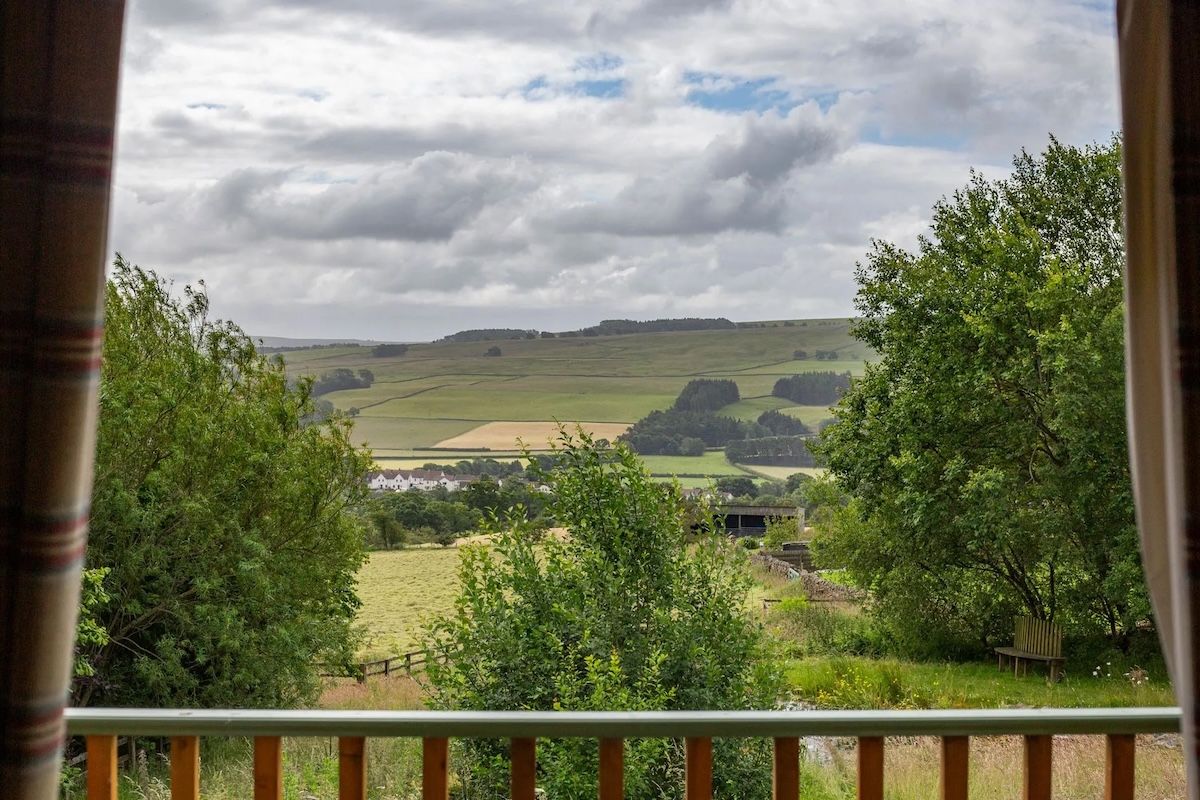
Glamping in the UK is a form of holiday that combines the comfort of a well-designed stay with the experience of being immersed in nature. Short for “glamorous camping,” it allows you to enjoy the outdoors without pitching a tent, packing sleeping bags, or sacrificing comfort. In the UK, glamping typically includes stays such as cabins, pods, yurts, safari tents, and treehouses, often with proper beds, heating, private bathrooms, and modern amenities, making it ideal for staycations, romantic breaks, and family holidays.
We have put together a beginner's guide to glamping that explains exactly what glamping is, how much it costs, where to go in the UK, and how to choose the right experience for your travel style, so you can book with confidence.
What is Glamping?
Glamping, short for glamorous camping, is a style of accommodation that blends outdoor living with hotel-style comfort. With My Eco Escape’s curated collection of glamping stays, you’ll find fully furnished spaces such as pods, yurts, cabins, and shepherd’s huts set in nature-rich locations. Unlike traditional camping, glamping typically includes real beds, heating, electricity, and private bathrooms. And unlike hotels, these stays are designed to immerse you in the landscape, whether that’s forests, coastlines, countryside, or national parks.
Why Is Glamping So Popular in the UK?
Glamping isn’t just a trend; it’s a growing part of the UK staycation scene. Holidaymakers are increasingly choosing it over traditional camping and hotel stays because it blends comfort, convenience, and nature in a way that feels more intentional and rewarding. For many travellers, it offers the ideal middle ground, combining the warmth of a proper bed with the freedom of the outdoors.
This is one of the key reasons more travellers are choosing glamping over traditional camping. As highlighted by YHA’s guide on why glamping is replacing camping for modern travellers, people increasingly value comfort, convenience, and ease alongside outdoor experiences. Hence, we have witnessed the wider shift from hotels to sustainable glamping pods, shaping how and where people choose to holiday in the UK. There are additional reasons why glamping is gaining popularity in the UK.
Comfort & Ease
One of the biggest benefits of glamping in the UK is the ready-made experience. Unlike traditional camping, glamping saves you from bringing bulky gear, arranging tents, or worrying about soggy sleeping bags; everything from bedding to heating can be provided on-site.
Year-Round Weather Performance
The UK’s unpredictable weather makes traditional camping challenging.UK glamping sites typically use sturdier structures like pods, cabins, yurts, or safari tents that keep you dry and comfortable regardless of rain or wind, turning outdoor vacations into year-round getaways rather than just a summer activity.
Blend of Luxury & Nature
Glamping means waking up to birdsong or rolling hills, yet still sleeping in a proper bed, sometimes even with private en-suite bathrooms, electric heating, and outdoor decks. This blend of rustic and refined is a key attraction for holidaymakers who want both connection to nature and comfort.
Glamping with Wellness
Glamping stays with hot tubs blend immersive nature escapes with spa-style relaxation, whether you’re soaking beneath summer skies or unwinding in steamy comfort during frost-kissed winter evenings. It’s no surprise that glamping pods with hot tubs in the UK have become one of the most in-demand staycation choices, combining scenic settings with restorative comfort. In fact, many travellers now actively seek out curated collections of UK glamping pods with hot tubs that prioritise privacy, wellbeing, and slow living over traditional sightseeing
This popularity is closely tied to the rise of wellness-led travel. Hot tub glamping supports key wellness pillars: warm-water immersion helps soothe muscles, reduce stress, and improve sleep quality, while private outdoor tubs offer luxury without crowded spas or hotel lobbies. These stays naturally encourage slower travel rhythms, making them especially appealing for couples seeking meaningful connection, digital detox, and uninterrupted time in nature. Heated hot tubs also extend the appeal year-round, boosting comfort during shoulder and off-peak seasons.
From a market perspective, this isn’t a passing trend. UK industry analysis shows that wellness features such as hot tubs and saunas can increase average nightly rates by 15–30% and improve occupancy by 10–15%, underlining how highly travellers value comfort-led, restorative experiences
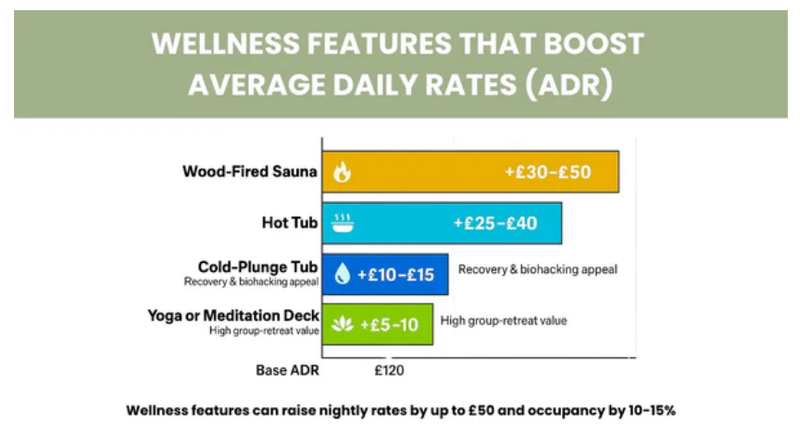
Image Source: glamplaunch.co.uk
Wider research into the UK glamping and wellness travel market further reinforces this growth. The UK wellness tourism sector is projected to grow from USD 19.6 billion in 2025 to USD 34.4 billion by 2035, reflecting a strong, sustained appetite for experience-driven, wellbeing-focused travel.
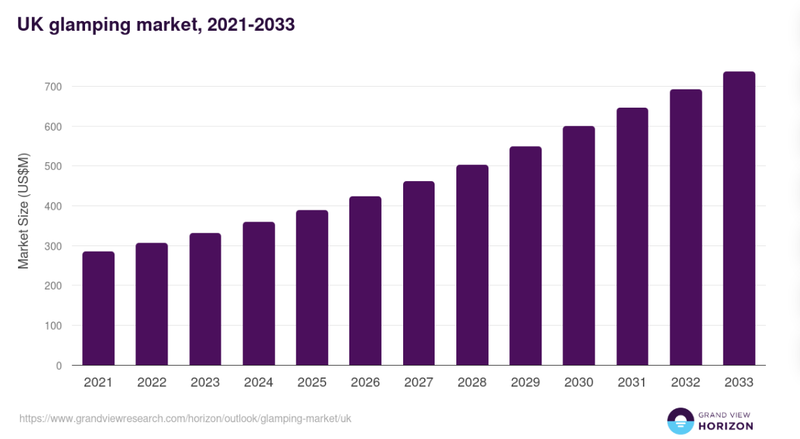
Image Source: grandviewresearch.com
In short, hot tub glamping isn’t just a luxury add-on, it’s a clear experiential differentiator that aligns with modern wellness values, slow travel, and meaningful nature-based breaks.
Types of Glamping
Eco Pods
Eco pods are one of the most popular and accessible ways to experience glamping in the UK, particularly for first-time glampers. These compact, well-insulated stays are designed for year-round comfort and usually include a proper bed, heating, electricity, a small kitchenette, and outdoor seating.
Many now also offer eco glamping pods with hot tubs, making them a great option for couples seeking a simple yet indulgent escape without the complexity of larger accommodations. It’s no surprise that the most beautiful eco glamping pods in the UK are especially popular for short breaks, romantic getaways, and low-maintenance, comfort-first holidays.
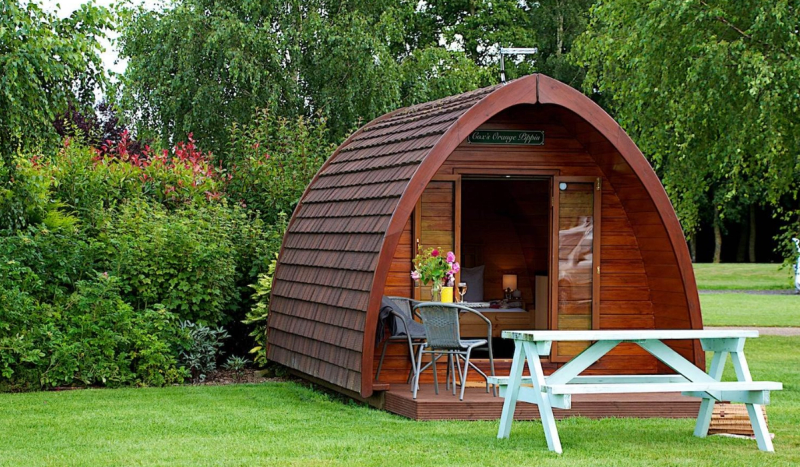
Image Source: applewoodholidays.co.uk
Yurts
Yurts offer more internal space and a traditional feel. They’re often upgraded with wood burners and proper beds, making them suitable for families or longer stays.
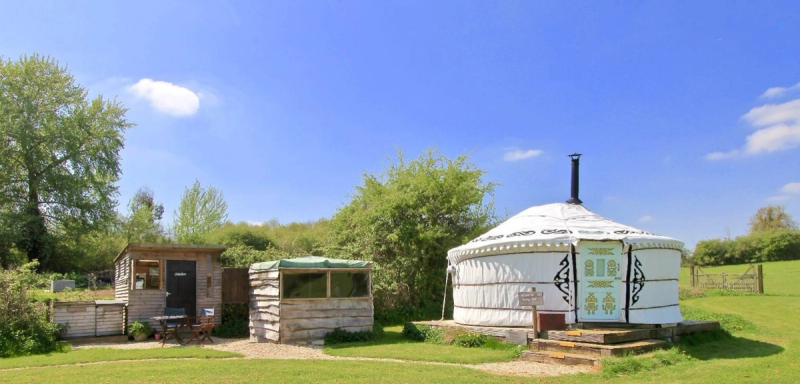
Image Source: love2yurt.co.uk
Safari Tents
Safari tents are ideal for family glamping. They combine canvas living with fixed floors, multiple bedrooms, and often private bathrooms. Think of them as a countryside lodge wrapped in canvas.
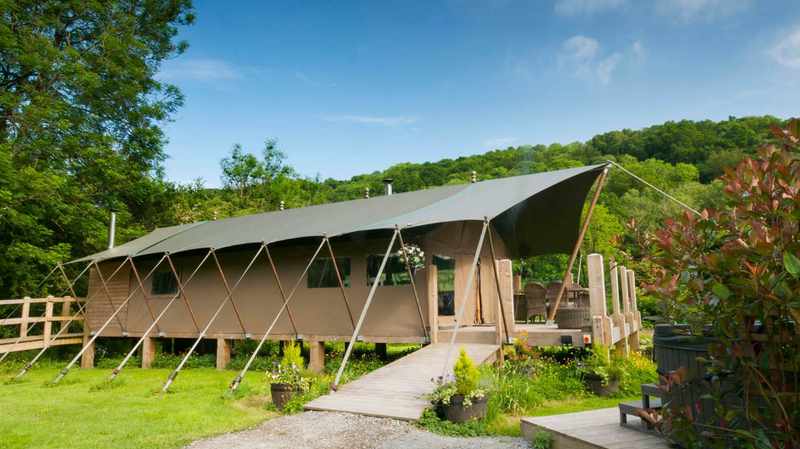
Image Source: felingeri.co.uk
Treehouses
Treehouse glamping is all about the experience. Elevated, secluded, and often luxury-led, they’re popular for romantic breaks and special occasions.
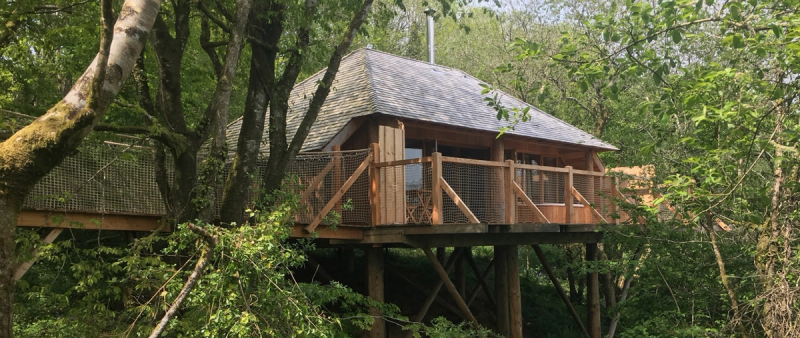
Image Source: wolfwoodtreehouses.co.uk
Shepherd’s Huts
Shepherd’s huts are compact, character-filled stays designed for two, making them ideal for cosy, romantic glamping with countryside charm. For couples seeking privacy and simplicity, secluded shepherd’s hut retreats in the countryside offer an intimate escape that feels peaceful, personal, and effortlessly comfortable.
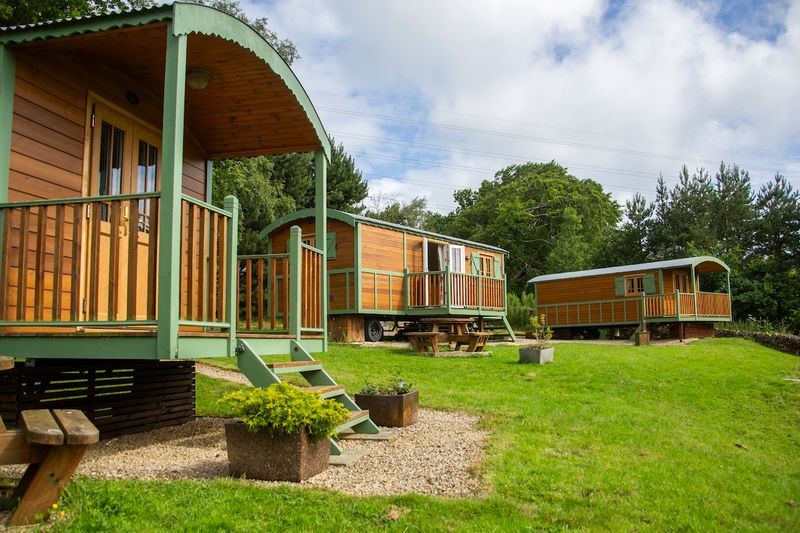
Cabins
Cabins offer the most “home-like” experience. With full kitchens, multiple bedrooms, and heating, they work well for families or longer stays.
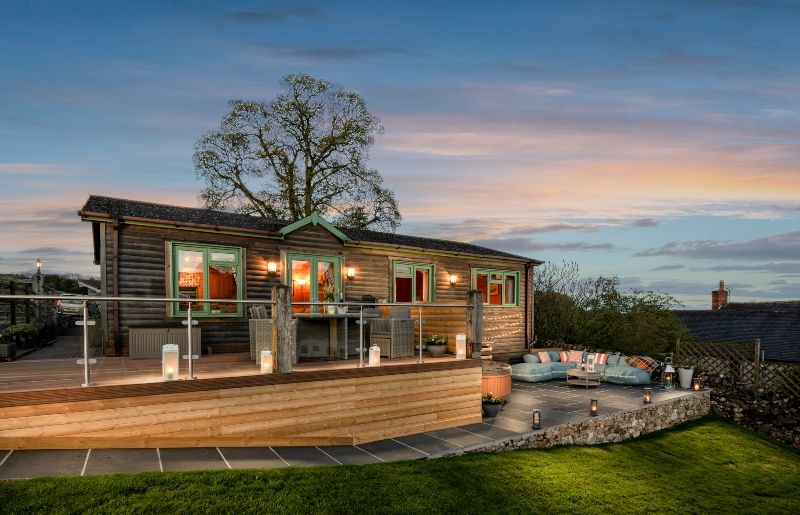
How Much Does Glamping Cost in the UK?
The UK glamping market is diverse, with options for every budget and travel style.

Peak season (April–September)
- £120–£250 per night
- School holidays and summer weekends sit at the top end
Off-peak season (October–March)
- £70–£150 per night
- Savings of £50–£100 per night are common
Regional price differences
Regional price differences can be significant when booking glamping in the UK. Coastal areas and national parks tend to command higher prices due to demand, scenery, and limited availability.
For example, glamping in Lake District, glamping in Cornwall, or glamping in Scottish Highlands often sit at the premium end, especially during summer and school holidays.
In contrast, central and northern regions such as glamping in Yorkshire, glamping in Northumberland, glamping in Wales, and glamping in Peak District frequently offer better value, with similar accommodation types available at lower nightly rates and greater off-peak availability.
Who is Glamping Best for?
Romantic getaways & couples
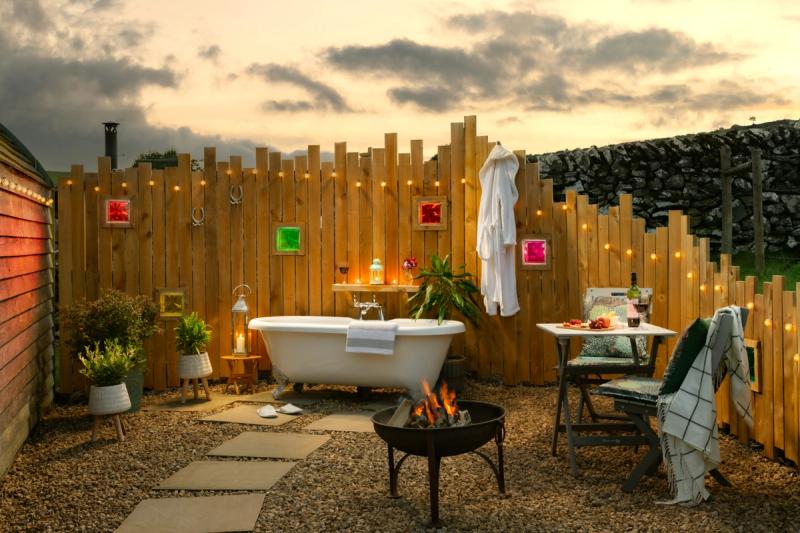
Couple glamping is designed around privacy, comfort, and meaningful shared experiences, making it perfect for romantic getaways and equally appealing to solo travellers seeking quiet, restorative breaks. These stays offer privacy without isolation, allowing couples to enjoy quality time together in peaceful, scenic settings without hotel crowds.
Thoughtfully designed interiors, private hot tubs, fire pits, and calming views create space to slow down, reconnect, and relax without distraction. In the UK, couple-focused glamping typically ranges from £100 – £180 per night for two, with premium hot tub stays in off-peak season and can reach £200 – £250 per night in peak or high-demand locations.
Pet-friendly stays
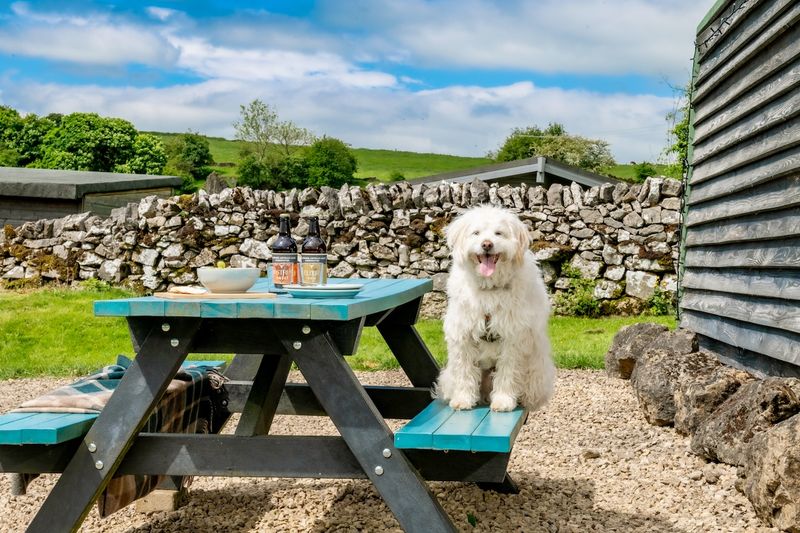
Glamping is perfect for pet owners because it removes the stress of leaving pets behind. Many UK glamping sites welcome pets, offering open space, walking trails, and accommodation designed with outdoor access in mind.
Families & kids
Family glamping is built for space, practicality, and ease, blending the comfort parents value with the outdoor adventure children love. These stays typically feature separate sleeping areas, child-friendly layouts, proper kitchens, and safe, contained outdoor spaces where kids can explore nature freely while adults relax.
While designed with families in mind, larger UK glamping units also suit couples or solo travellers looking for extra room or longer, more comfortable stays. Pricing usually ranges from £120 – £220 per night, depending on size, season, and location, with the best value often found outside school holiday periods.
Friends & group trips
Glamping works well for friends as it combines shared outdoor experiences with private sleeping spaces. Fire pits, communal areas, and scenic locations make it easy to socialise without sacrificing comfort.
Solo travellers
For solo travellers, glamping in UK provides a balance of solitude and security. Quiet nature settings offer space to reset, while well-equipped accommodation ensures comfort and peace of mind.
Best Glamping Locations in the UK
Glamping in Peak District
Glamping in Peak District is one of the most accessible countryside escapes in England, sitting around 1 hour from Manchester, Sheffield, and Derby, which makes it ideal for short breaks without long travel. The area is a favourite for walkers and nature-led travellers, with classic routes such as Mam Tor, Kinder Scout, and Dovedale stepping stones all within easy reach of many glamping sites.
In summer, the Peak District feels open and lively, with long daylight hours and green valleys perfect for hiking and cycling. Winter glamping is quieter and moodier, with misty landscapes and crisp walks that suit insulated pods and cabins.
Peak season pricing (April–September) typically ranges from £130–£190 per night, while off-peak stays (October–March) often fall between £85–£130 per night, offering strong value for the location.
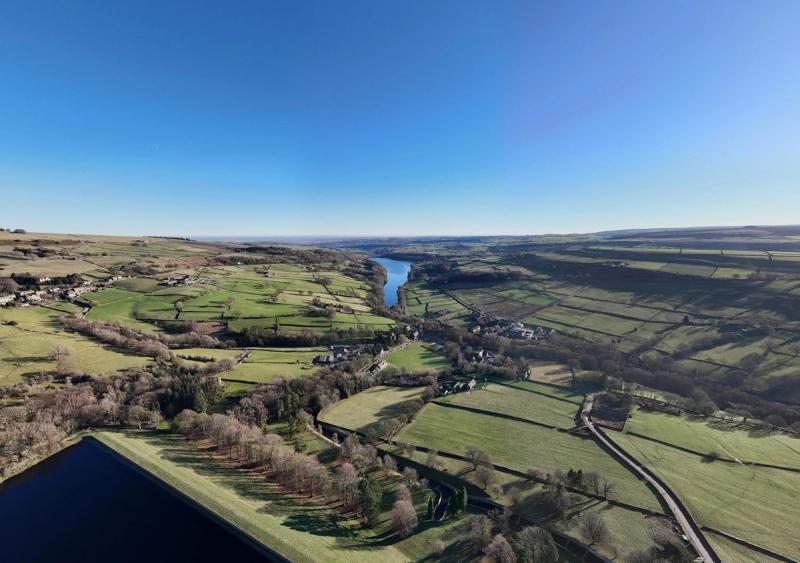
Image credit: David Pickup
Glamping in Lake District
Glamping in Lake District is driven by scenery first, lakes, fells, and dramatic views in almost every direction. It’s best suited to travellers who prioritise walking, photography, and immersive nature experiences, with routes like Catbells, Helvellyn, and lakeside paths around Grasmere and Derwentwater close to many stays.
Summer brings longer days and busier trails, while winter feels quieter and more atmospheric, often appealing to those looking for stillness and slower travel.
Peak season prices usually range from £160–£260 per night, reflecting demand and location, while off-peak pricing drops closer to £110–£170 per night, especially outside school holidays.
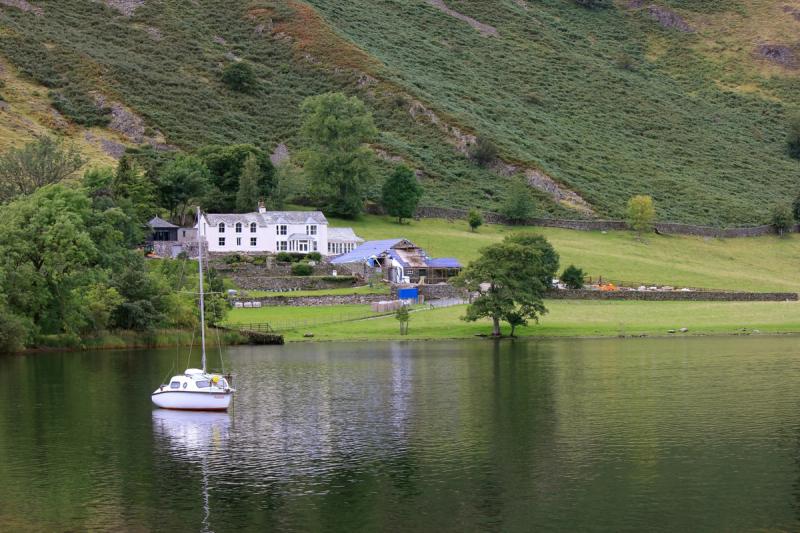
Image credit: Yohantha Gunawarna
Glamping in Cornwall
Glamping in Cornwall is closely tied to coastal living, with many sites positioned near beaches, cliffs, and coastal paths. It’s well suited to travellers who want sea air, relaxed days, and outdoor activities such as the South West Coast Path, wild swimming, or surf beaches near Newquay and St Ives.
Summer in Cornwall feels vibrant and sun-led but comes with higher demand, while winter stays are calmer, windier, and more reflective, ideal for coastal walks and storm watching.
Peak season pricing commonly sits between £170–£280 per night, while off-peak rates often fall to £110–£170 per night, particularly inland or away from hotspots.
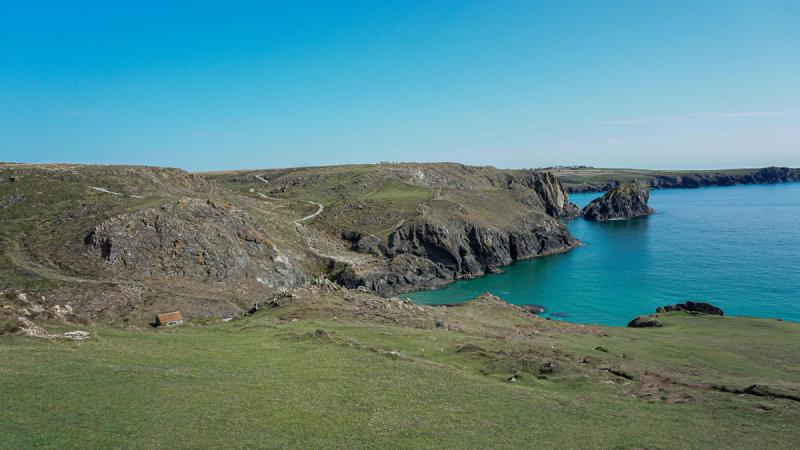
Image credit: Howard Senton
Glamping in Scotland
Glamping in Scotland continues to grow in popularity due to its sense of space, dark skies, and dramatic landscapes. From glamping pod stays in forest areas to remote cabins with loch or mountain views, the experience is shaped by scale and solitude. Popular activities include hill walks, wildlife spotting, and night-sky viewing, particularly in the Highland and island regions.
Summer offers long daylight hours and mild evenings, while winter glamping feels remote and cinematic, often chosen for quiet escapes.
Peak season pricing typically ranges from £140–£230 per night, with off-peak stays available from £95–£150 per night, depending on remoteness and amenities.
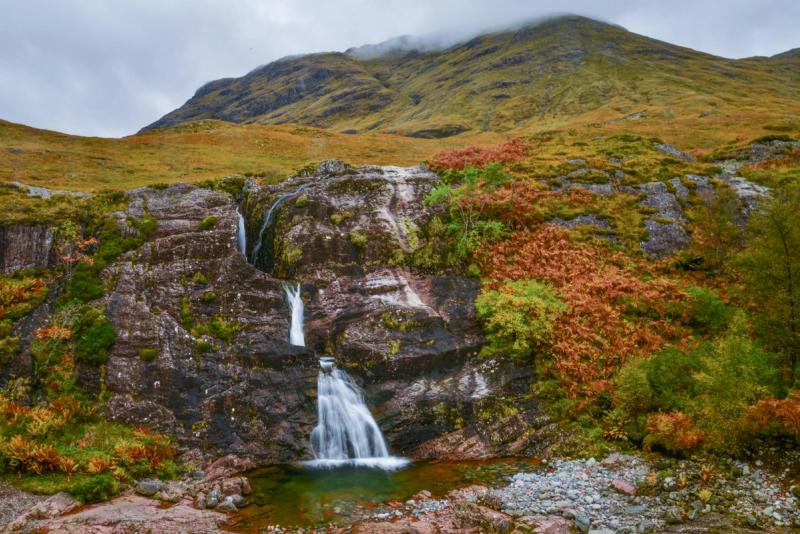
Image credit: Nunzio Guerrera
Glamping in Wales
Glamping in Wales is known for strong eco-credentials and varied landscapes, from coastlines to mountains. North Wales glamping is especially popular for access to Snowdonia (Eryri), with walking routes like Yr Wyddfa (Snowdon) and coastal paths close by.
Summer brings green valleys and clear views, while winter stays feel quieter and more grounded, often favoured for slow travel.
Peak season pricing generally ranges from £120–£180 per night, while off-peak prices often sit between £85–£130 per night, making Wales one of the best value regions for glamping.
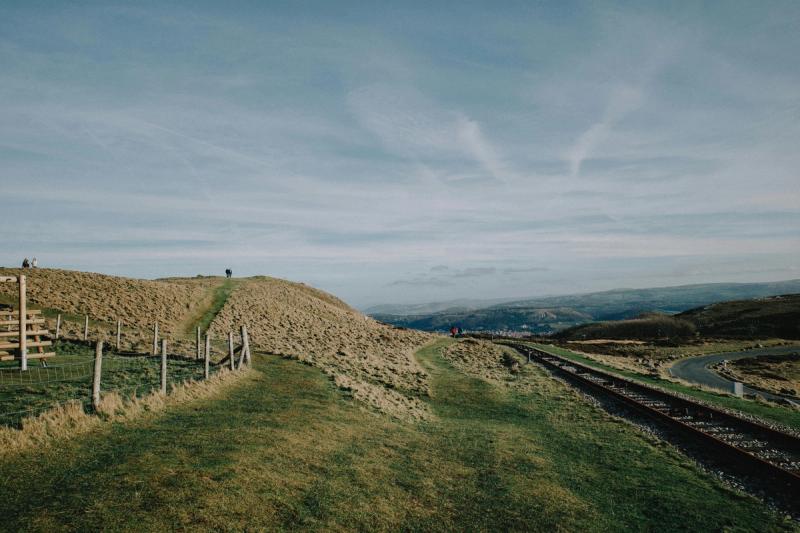
Image credit: Lisa from Pexels
Glamping in Yorkshire
Glamping in Yorkshire offers wide open landscapes and good connectivity, making it appealing for travellers who want countryside without isolation. Areas near the Yorkshire Dales and North York Moors provide excellent walking routes, such as Malham Cove and Roseberry Topping, alongside traditional villages and open moorland.
Summer feels expansive and active, while winter glamping is quieter and more atmospheric.
Peak season pricing usually ranges from £130–£200 per night, while off-peak stays often drop to £90–£140 per night, particularly midweek.
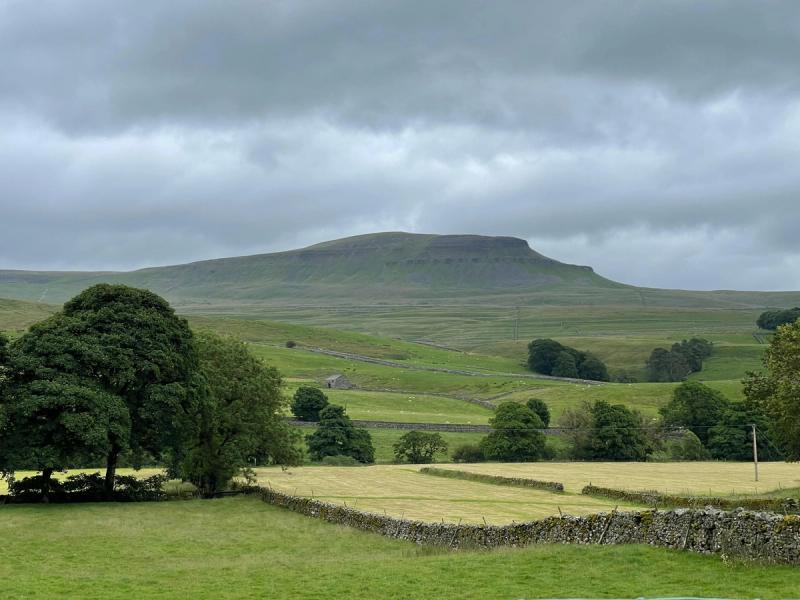
Image credit: Anna Rynkowska
Glamping in Norfolk
Glamping in Norfolk suits travellers looking for slower-paced landscapes, big skies, and flat coastal or countryside walking. The region works well for cycling, nature reserves, and coastal paths near the Norfolk Coast.
Summer stays feel light and breezy, while winter glamping is peaceful and uncluttered, often chosen for quiet resets.
Peak season pricing typically sits between £130–£190 per night, with off-peak rates closer to £85–£130 per night.
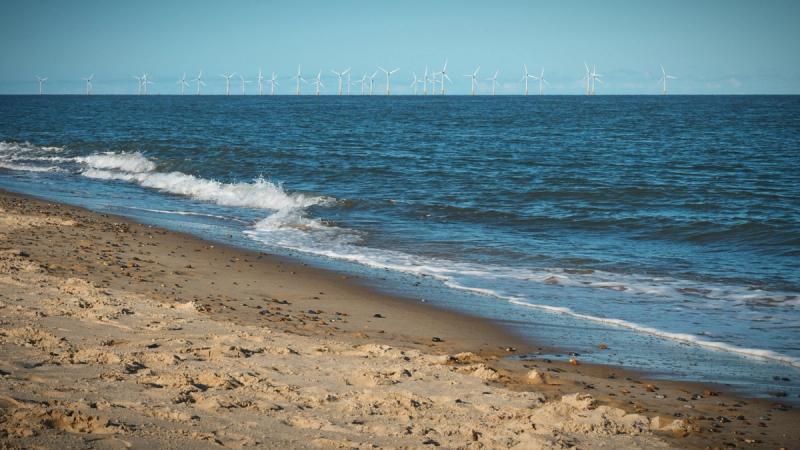
Image credit: Suzy Hazelwood
Glamping in Northumberland
Glamping in Northumberland is shaped by space, silence, and dark skies. With access to Northumberland National Park, Hadrian’s Wall, and some of the quietest beaches, it’s well-suited to travellers seeking uncrowded nature.
Summer offers clear walking days and coastal exploration, while winter glamping feels remote and star-filled.
Peak pricing usually ranges from £140–£210 per night, with off-peak stays often available from £95–£145 per night.
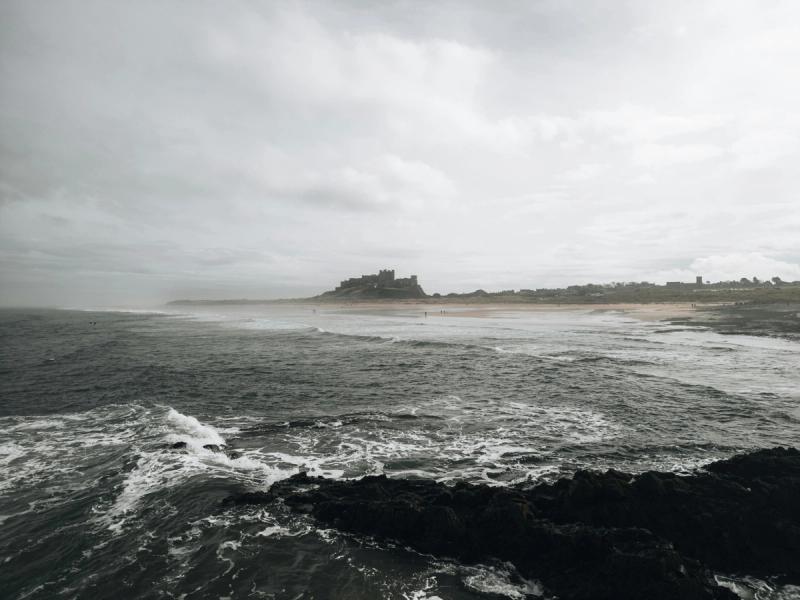
Image credit: urtimud.89
Glamping in Kent
Glamping in Kent works particularly well for short breaks due to its distance from London, often under 1.5 hours by car or train. The region offers gentle countryside, vineyards, and coastal walking near Whitstable and Dungeness.
Summer is bright and social, while winter stays are quieter and countryside-focused.
Peak season pricing generally ranges from £140 to £210 per night, while off-peak prices sit around £95–£150 per night.
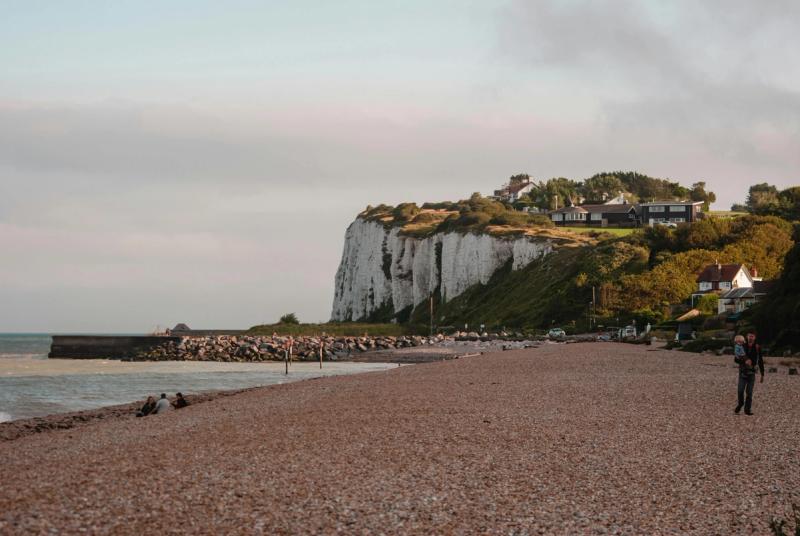
Image credit: Samuel Wölfl
Glamping in Cotswolds
Glamping in Cotswolds blends rolling hills, stone villages, and well-maintained walking routes such as the Cotswold Way. It appeals to travellers who enjoy classic English countryside and easy village access.
Summer stays feel postcard-like but busy, while winter glamping is calmer and often more atmospheric.
Peak pricing typically ranges from £160–£270 per night, with off-peak rates closer to £120–£180 per night.
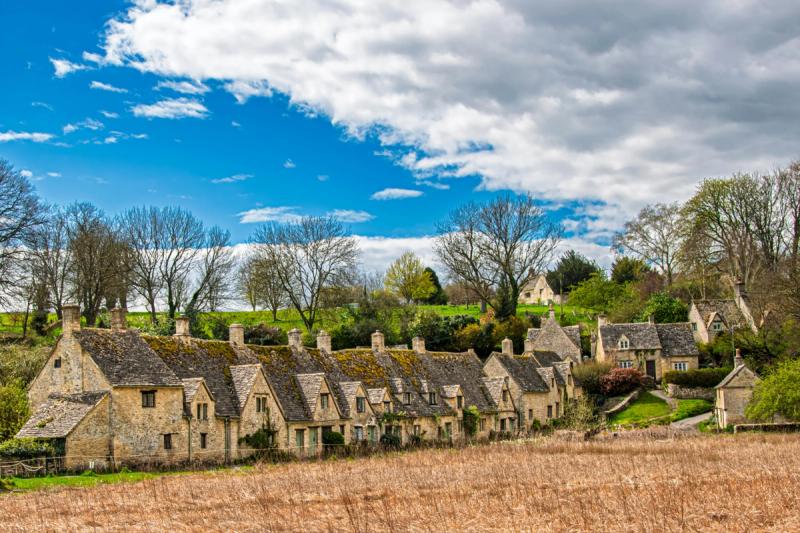
Pic credit: Geert Willemarck
Glamping in Northern Ireland
Glamping in Northern Ireland is increasingly popular for coastal scenery and value-driven stays, particularly along routes like the Causeway Coast. The region offers dramatic landscapes without the crowds seen in other parts of the UK.
Summer brings long coastal days, while winter glamping feels quiet and elemental.
Peak season pricing usually falls between £120–£180 per night, with off-peak stays available from £80 to £130 per night, making it one of the most affordable glamping regions.
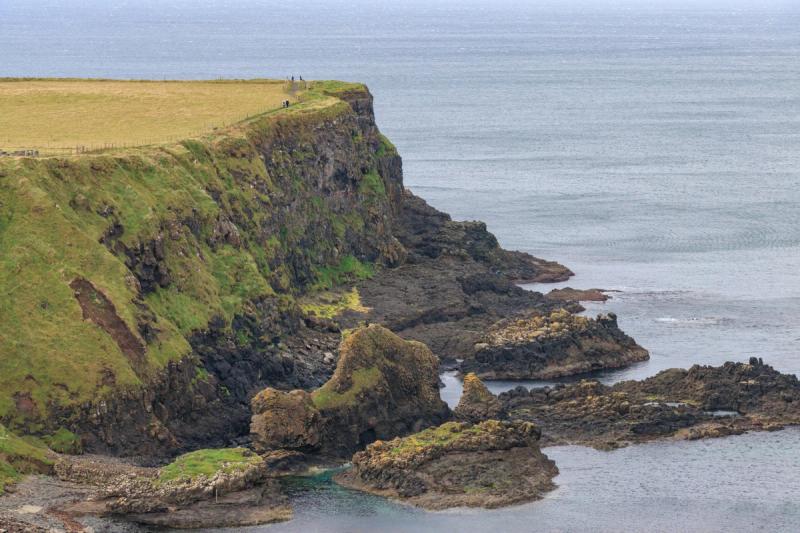
Pic credit: Phil Evenden
Best Time to Go Glamping in UK
Peak Season:
The best time to go glamping depends on what you value most from your break, whether that’s weather, price, privacy, or atmosphere.
Peak season, which broadly runs from April to September and is at its busiest between June and August, is ideal if you’re looking for longer days, warmer weather, and a lively atmosphere across popular glamping destinations. This is the best time for outdoor living, from countryside walks and coastal stays to evening meals on decks, fire pits, and outdoor seating areas. The trade-off is higher prices, tighter availability, and busier sites, particularly during school holidays, which can reduce privacy in well-known areas.
Within this window, the shoulder months of April–May and September often offer one of the best balances for glamping. The weather is usually mild, landscapes are at their most scenic, and sites feel calmer without being too quiet. Prices tend to be more reasonable than peak summer, and there’s greater flexibility when booking, making this an excellent option for travellers who want comfort, space, and good value without sacrificing atmosphere.

Off-Peak Season
The off-peak season, from October to March, is ideal for travellers who value peace, slower travel, and better value. Glamping sites are noticeably quieter, prices are lower, and there’s a greater sense of space and privacy. Winter stays can feel especially cosy, with heating, crackling fires, and atmospheric landscapes creating a calm, restorative setting.
While daylight hours are shorter and the weather can be more unpredictable, many modern glamping stays are well insulated and designed for year-round comfort. With fewer neighbouring guests and more flexible availability, off-peak glamping is perfect for relaxed escapes, scenic winter walks, and crowd-free time in nature without sacrificing comfort.

Four Seasons Glamping: Year-Round Stays
Thanks to modern insulation, efficient heating, and thoughtful, weather-proof design, many sites now offer true four-season glamping, making it a year-round alternative to traditional camping. Unlike tents, which are heavily weather-dependent and often limited to warmer months, glamping pods, cabins, and eco-stays are built for comfort in rain, wind, and cold temperatures.
This means autumn and winter become some of the most rewarding times to travel, with quieter landscapes, greater privacy, and better pricing.
For glamping with a hot tub, cooler months are especially appealing, as warm outdoor soaks feel more indulgent against crisp air and frosty surroundings, without sacrificing comfort or convenience.
Things to Look for When Booking Glamping
Set a realistic budget first
Deciding your budget upfront helps avoid overspending and lets you genuinely relax once you arrive. Before browsing, set a clear nightly spending limit and factor in extras such as hot tubs, firewood, and saunas, which can quickly add up. Having a budget in mind also makes it easier to filter options and focus only on stays that truly fit your comfort zone, rather than falling for listings that stretch your plans.
Choose the right location for your travel style
Location shapes the entire experience. A rural woodland stay offers quiet and seclusion, coastal glamping brings fresh air and open views, while locations near villages or attractions provide convenience and dining options. Think about what you want to do most, whether it’s long walks, beach days, or simply switching off, and choose a setting that supports that, rather than one that looks good but feels impractical once you arrive.
Check amenities carefully, not just photos
Photos can be inspiring, but amenities determine comfort. Always confirm whether the stay includes a private bathroom, proper heating, electricity, and a functional kitchen or kitchenette. This matters especially for cooler months, when insulation and heating can make or break your stay. Reading the amenities list in detail helps avoid disappointment and ensures the experience matches your expectations.
Consider travel time for short breaks
For weekend or two-night stays, long journeys can eat into valuable downtime. A place that’s three to four hours away might look tempting, but a shorter drive often results in a more relaxed experience. Choosing a glamping site within one to two hours of home allows you to arrive refreshed, settle in quickly, and enjoy more of the stay without feeling rushed.
Look at accessibility and practical details
Accessibility is often overlooked but hugely important. Check parking distance, path conditions, step-free access, and whether luggage needs to be carried across fields or uneven ground. These small details matter, especially if you’re arriving after dark, carrying supplies, or travelling with children or mobility considerations. A well-planned layout adds ease and reduces unnecessary stress.
Review what’s included versus what costs extra
Some glamping stays advertise attractive features that aren’t always included in the base price. Hot tubs may have heating fees, fire pits may require paid firewood, and pet stays often come with additional charges. Double-checking what’s included helps you compare listings accurately and prevents unexpected costs after booking.
Additional Things to Look For
Beyond the accommodation itself, small practical details can make a big difference to your overall glamping experience.
- Clear maps and arrival instructions help reduce stress, especially when travelling to rural or off-grid locations where mobile signal may be limited.
- Local area guides are valuable for discovering walking routes, nearby attractions, cafés, and hidden spots you might otherwise miss. Some glamping sites also offer on-site experiences such as guided walks, wellness sessions, or seasonal workshops, which can add depth to your stay without the need to travel far.
- Accessibility information is equally important, covering parking, paths, step-free access, and facilities, so you can be confident the stay suits your needs before booking.
Common Mistakes People Make When Booking Glamping
- Overpaying during peak season: Winter stays are calmer, cheaper, and often more scenic.
- Booking without checking what amenities are included: Not all glamping stays include private bathrooms, hot tubs, kitchens, or heating.
- Not checking the exact glamping stay location on the farm or site map: One farm or estate can host many different types of glamping stays.
- Assuming all glamping is luxury-level: Comfort levels vary widely
- Ignoring travel distance for short breaks: A two-night stay can feel rushed if travel time is long.
- Skipping off-peak opportunities: Travelling in autumn, winter, or early spring often means better value, fewer crowds, and a calmer, more immersive experience. For a deeper understanding of why quieter seasons can be so rewarding, explore the benefits of off-peak travel in the UK and how travelling outside peak times transforms the way you experience a destination.
Things to Carry for a Glamping Trip
Packing for a glamping trip is far simpler than traditional camping, but a little preparation can make your stay noticeably more comfortable. While most glamping accommodations include essentials like beds, heating, and electricity, following a beginner-friendly guide to packing light for eco-friendly travel helps you bring only what you need, relax fully, and enjoy the experience without unnecessary clutter.
Start with comfortable clothing suited to both indoor relaxation and time outdoors. Even in well-insulated glamping pods, evenings can feel cooler, so soft layers, cosy jumpers, and comfortable footwear are always useful. Bring your toiletries as you would for a hotel stay, as many sites provide bathrooms but may not supply personal items. A torch or headlamp can be handy for navigating pathways after dark, especially on rural or low-lit sites.
It’s also important to pack for the season and weather, as conditions can change quickly in the UK. Waterproof jackets are essential for countryside or coastal locations, while extra layers help you stay warm during cooler mornings and evenings. In warmer months, don’t forget sun protection such as sunscreen, sunglasses, and a hat, particularly if you plan to spend time outdoors.
Finally, consider a few optional comfort items to enhance your downtime. Slippers are perfect for indoor lounging, especially in colder months, while books or board games are ideal for slow evenings without screens. Reusable water bottles are both practical and eco-friendly, making it easy to stay hydrated during walks or relaxed days on-site.
Glamping Activities
Popular glamping activities tend to be slower-paced and nature-led, designed to help guests unwind rather than rush from place to place. Many stays are centred around woodland walks and scenic hiking routes, allowing you to explore the surrounding landscape at your own pace.
Stargazing is another highlight, especially in rural or dark-sky areas, where clear nights reveal far more than you’d see at home. Outdoor cooking, whether on a fire pit, BBQ, or simple camp-style setup, adds to the sense of simplicity and connection with nature.
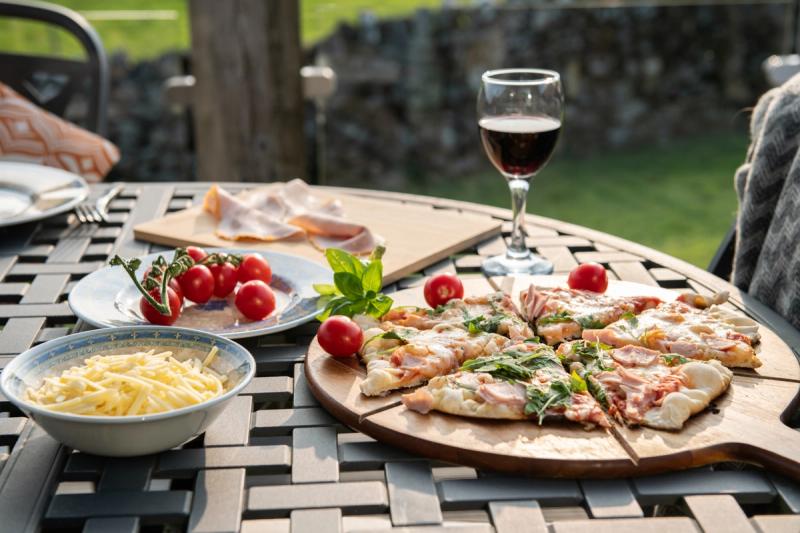
Cycling and gentle nature trails are common around countryside and coastal sites, while some locations also offer yoga, mindfulness, or wellness sessions. For many travellers, the real activity is a digital detox, using the quiet setting to slow down, disconnect from screens, and reset. At Skylark and Swallow glamping pod, you can add a pizza oven evening to your stay, where you make your own pizzas under the starry nights.
Eco-Friendly Glamping
Glamping is also considered to be more environmentally friendly, especially when compared to traditional hotels or large-scale resorts. Many glamping stays are designed to work with the landscape rather than dominate it, using smaller footprints and low-impact structures that minimise disruption to the natural environment. This approach helps protect the very countryside, coastlines, and rural spaces that travellers come to enjoy.
One of the main reasons glamping is more eco-friendly is its lower overall carbon footprint. Glamping sites are often located closer to home, encouraging staycations and reducing the need for long-haul flights. The accommodation itself typically requires less energy to heat and maintain than large buildings, while thoughtful layouts reduce land clearance and habitat loss. Many sites also operate on a small scale, limiting overcrowding and pressure on local ecosystems.
Eco measures by hosts
Environmentally responsible glamping hosts often take deliberate steps to reduce resource use. This can include solar panels or renewable energy systems to power lighting and heating, as well as well-insulated structures that retain warmth in winter and stay cool in summer. Sustainable or locally sourced building materials, such as timber cabins, recycled materials, or sheep’s wool insulation, are commonly used to lower environmental impact from construction.
Water conservation is another key focus. Many eco-friendly glamping sites use low-flow showers, composting or eco-toilets, and rainwater collection systems to reduce water waste. Waste management is also handled more carefully, with recycling facilities, limited single-use plastics, and encouragement for guests to travel light and responsibly.
Beyond infrastructure, eco-friendly glamping supports rural communities by keeping tourism spending local. Smaller, independently run sites often work with nearby farms, food producers, and guides, helping sustain local economies without mass tourism. Guests are also encouraged to adopt low-carbon travel choices, such as arriving by train where possible, walking or cycling locally, and embracing slower, more mindful travel.
Learning how to find sustainable holiday accommodation in the UK makes it easier to enjoy warm beds, beautiful surroundings, and peaceful stays, while travelling in a way that feels more responsible and rewarding for both you and the planet.
Are you ready to go glamping ?
Glamping brings together comfort, flexibility, and a genuine connection to nature, without the effort that comes with traditional camping. Whether you’re dreaming of a romantic weekend, a family-friendly adventure, or a quiet off-grid escape, the right glamping stay allows you to slow down and experience the UK in a more thoughtful, relaxed way.
Use this guide as your starting point, then explore eco-friendly glamping stays across the UK with My Eco Escape to find a place that matches your pace, values, and travel style. If you’d like ideas, inspiration, or help choosing the right stay, you can always reach out to us on Instagram @myecoescape, we’re happy to guide you. Thoughtful travel starts with informed choices, and the right stay can make all the difference.